Molecules of Emotion
The Neuro-Emotional Building Blocks of Human Experience

The Inner Chemistry of Suffering and Freedom
The Inner Chemistry of Suffering and Freedom
The Molecules of Emotion model illustrates the connection between your actions and the feeling states they produce. Just as molecules combine to form matter, they also shape your inner world. By actually feeling emerging emotions before they erupt into self-harming reactivity, you can intervene by intentionally cultivating healthier mental options. This page explores the emotional chemistry behind suffering – and the conscious practices that prevent relapse by helping you live in the present moment. and prevent relapse. We do not bother investigating the causes of emotional darkness; we shine the light of mindful awareness on it.
Hindrances … Good Karma … Anxiety … Depression … Addiction … Hindrances … Good Karma … Anxiety … Depression … Addiction … Hindrances … Good Karma … Anxiety … Depression … Addiction …Hindrances … Good Karma … Anxiety … Depression … Addiction … Hindrances … Good Karma … Anxiety … Depression … Addiction … Hindrances … Good Karma … Anxiety … Depression … Addiction …
HINDRANCES
The Patterns That Cloud Clarity
The Hindrances are mental and emotional patterns that disrupt concentration, distort perception, and quietly reinforce suffering. When these states go unnoticed, they attach themselves to thoughts, emotions, and behaviors—fueling anxiety, depression, and addiction at a foundational level. By learning to recognize these hindrances as momentary experiences rather than fixed traits, we begin to loosen their grip and restore mental clarity.
THE HINDRANCES
Human brains have a negative attitude bias toward unfamiliar “others”. We judge people before we know them. We criticize spiritual beliefs we know nothing about. We even punish ourselves with self-doubt and worry. Bias originates when neuromolecules of various emotional flavor attach to receptors for the same flavor. Anxiety, depression and addiction feed on this habitual negativity until we learn skillful means to unplug them at the molecular level.
The Hindrances Molecule comprises five atoms that prevent concentration and clear thinking. Do they affect the quality of your life now? Your SBC therapy can replace them with compassion, generosity, kindness and resilient self-confidence.
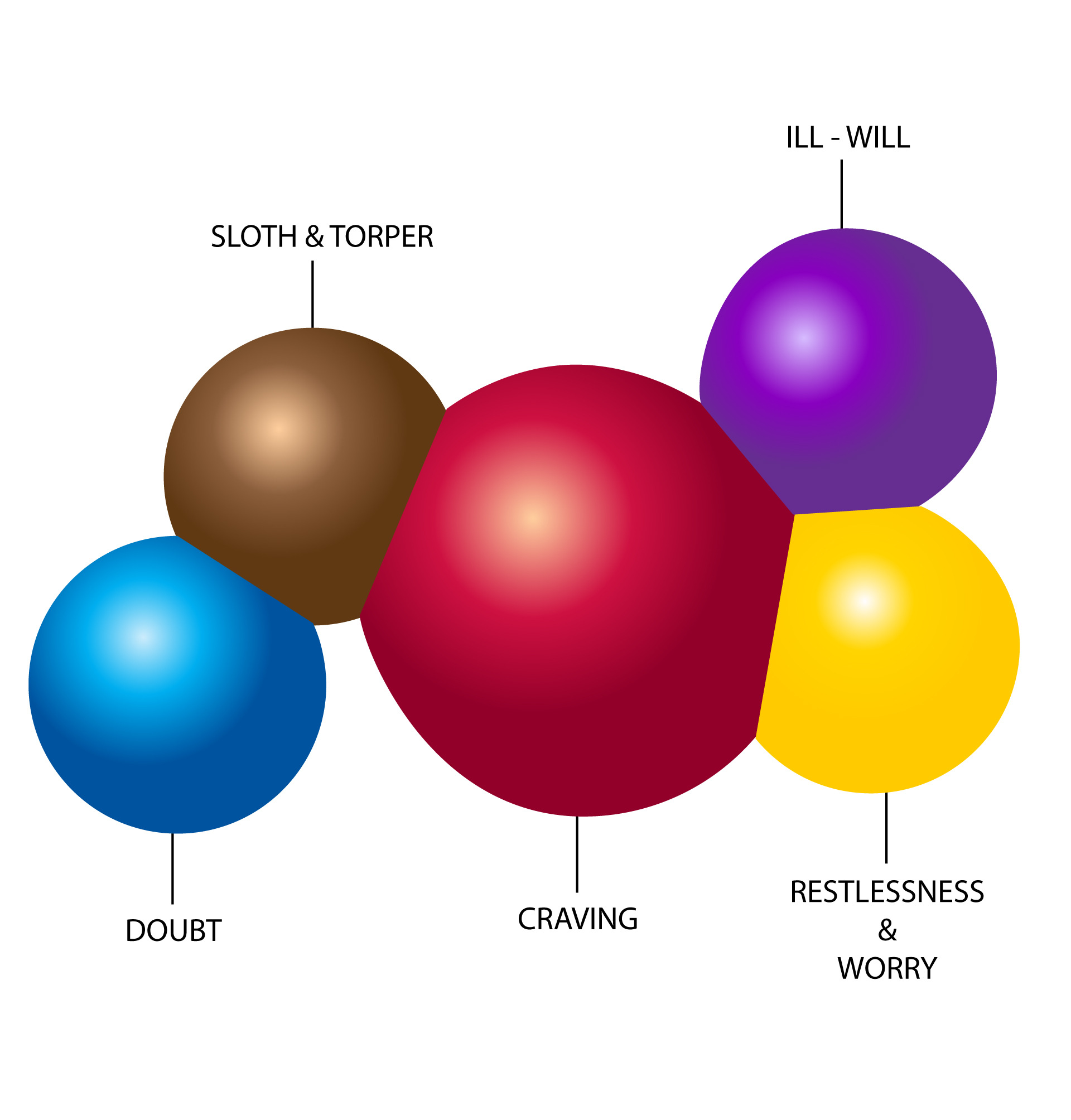 Craving – Insatiable craving for satisfaction through sight, sound, smell, taste, touch.
Ill-Will – Hostility, hatred, racism.
Sloth & Torper – Inert mind and body, no social engagement.
Restlessness & Worry – Inability to experience physical and/or mental rest.
Doubt – Existential fear that you can find meaning in any life endeavor.
GOOD KARMA
Cultivating the Conditions for Well-Being
Good Karma is not fate—it is intentional action informed by awareness. These emotional and mental states represent qualities that nourish the mind, strengthen resilience, and support meaningful engagement with life. When practiced consistently, they rewire the brain toward balance, creativity, and compassion, replacing reactive habits with conscious choice.
GOOD KARMA
Each atom represents a creative mind state that inspires positive actions to rewire your neuroplastic brain for better relationships, increased creativity in work and play, and improved concentration. Eighty-six thousand present moments of consciousness arise and pass away every day. Prioritize the atoms in order of which you want to improve the most.
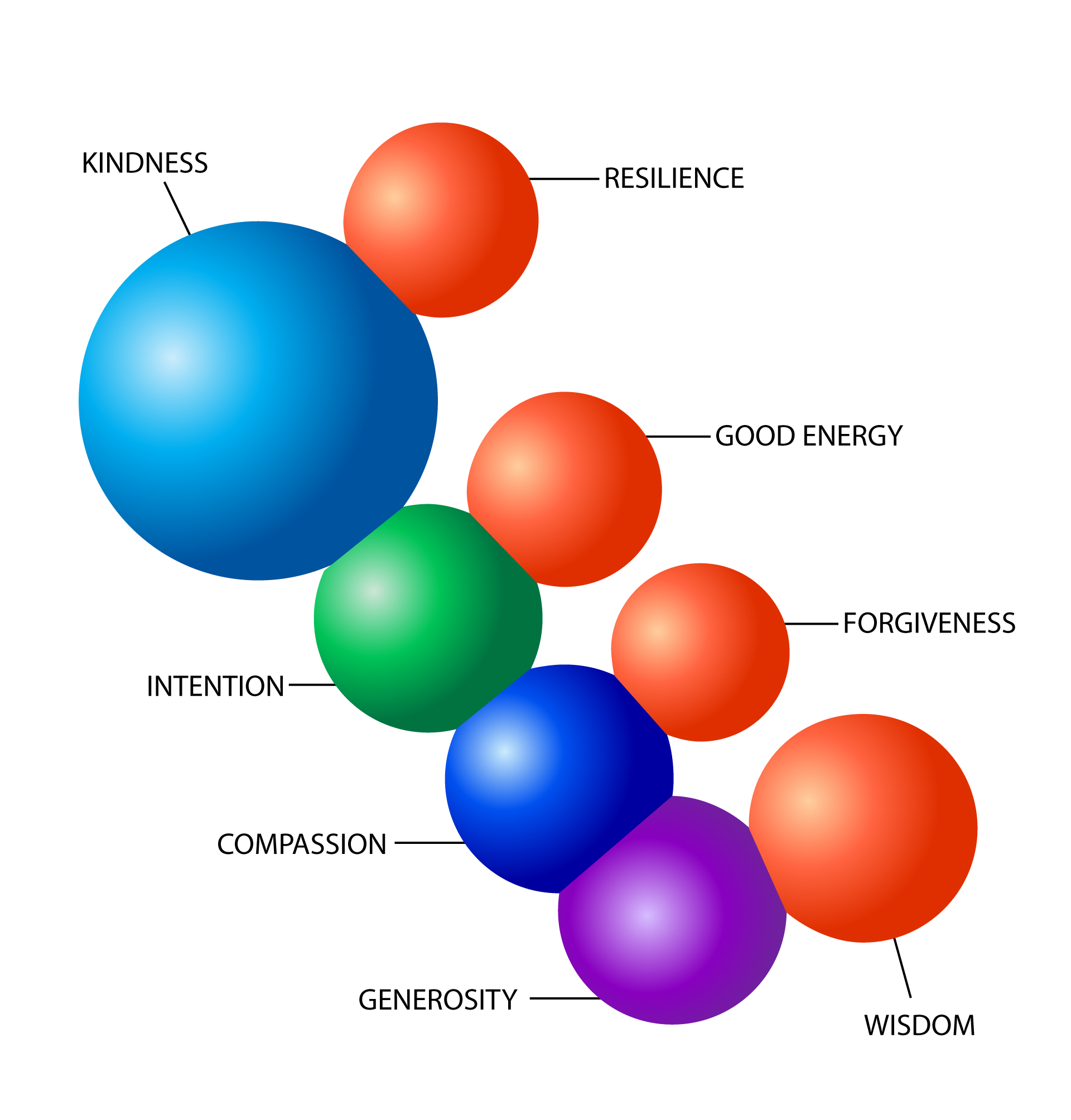 Generosity
Wisdom
Good Energy
Kindness
Forgiveness
Resilience
Intention
Compassion
DEPRESSION
The Weight of Unmet Meaning
Depression often reflects a frustrated wish—that life could be different, or that meaning has been lost or obscured. It can manifest as withdrawal, fatigue, or emotional numbness, but at its core lies a relationship with loss, powerlessness, or unmet longing. By distinguishing between normal sadness and disordered depression, insight allows healing to begin without pathologizing human experience.
DEPRESSION
Are you seriously depressed? Or just feeling sad? Most people react to negative life events with sadness, but deeper feelings can lie buried in your unconscious mind. Depression is a frustrated wish that some condition in life could be different from what it is, or you may feel powerless to find a healthier way to respond. This journaling exercise can help you cope with depressive symptoms.
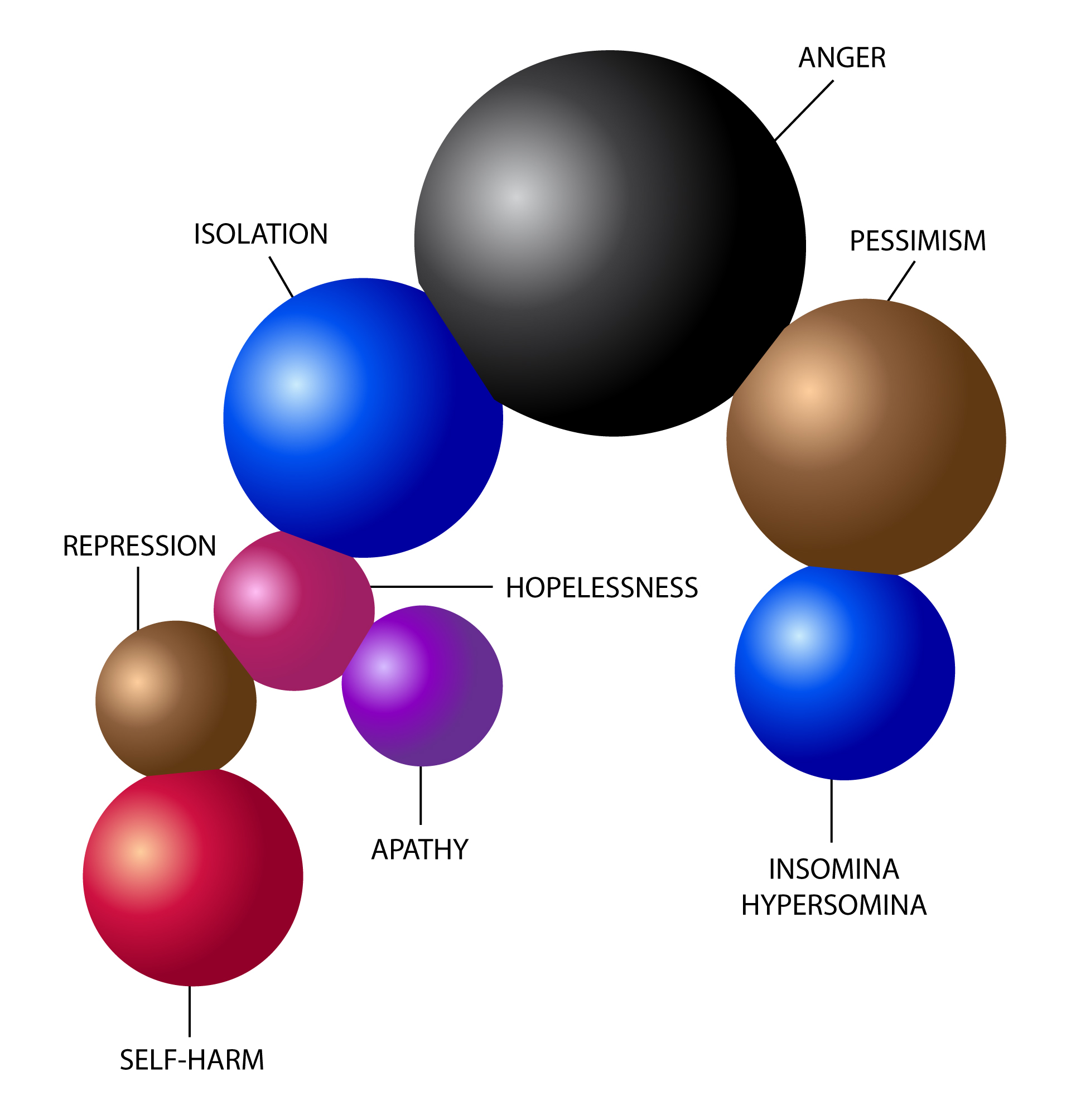
UNDERSTANDING DEPRESSION
Normal sadness depends on how you think about the event that causes it. If you cognize the event rationally, without distorted emotions, your sadness will match the objective reality of the loss. This kind of sadness comes with affect that is socially acceptable and eventually lessens. It ends with acceptance of the past and readiness to make a fresh start.
Intense sadness hurts more. It comes when loss occurs unexpectedly. We feel powerless and anguished. We feel like our former sense of security can never be regained. Our emotions are so overwhelming that we become numb to anything else positive in life. Intense sadness can linger in memory for a lifetime, but it lessens in time. We might withdraw into isolating affective mourning for a while, but our response is not considered a mental disorder.
Normal and Intense sadness lasts as long as stressful situations persist and can lead to disordered depression if no therapeutic work is done to manage the stress. This is especially true in cases of bereavement, when grief can be exceptionally intense and persistent.
Serious depressive disorders begin when the sadness is so extreme that it has a global negative effect on your thoughts, moods, and behavior. The sadness and depression seem more severe than the situation should cause. When asked why they are so sad and depressed, a person suffering this level of pain cannot state a specific reason. They make statements such as, “I don’t know. It’s just that my whole life is so horrible all the time.” They are unable to imagine any end to their sadness and exhibit the vegetative signs of depression, which include loss of joy, oversleeping or undersleeping, changes in eating habits, isolation, self-loathing and self-neglect. This level of incapacitating sadness and depression is considered socially unacceptable because the sufferer usually isolates, refuses help or requires exceptional levels of care resources.
ADDICTION
When Craving Replaces Curiosity
Addiction takes hold when novelty, purpose, and meaning are replaced by repetitive craving. Over time, the mind narrows, and fewer experiences register as rewarding or alive. By introducing creativity, connection, purpose, and generative action, the brain can rediscover its natural capacity for pleasure, engagement, and freedom—without reliance on compulsive behaviors.
ADDICTION
Addiction imprisons you because nothing new and interesting captures your attention. Neurologically, through novel action, rewrites the neurological codes that keep you trapped. Consider these possibilities.
 Altruism – Reach out generously with your time and talents.
Dedication to a Cause – Take an active social, political, or physical role.
Creativity – Write, sing, dance, design, draw, compose, build, sculpt?
Nurturing Pleasure – Schedule time for personal rest and relaxation.
Self-Actualization – Upgrade health, education, career, hobbies, skills.
Relationships – Nature positive people; detach from toxic bonds.
Existential Counseling – Accept difficult circumstances as opportunities.
Spirituality – Research spiritual practice as a way to find meaning despite the truth of inevitable human suffering.
ANXIETY
When Fear Interrupts Action
Anxiety arises when fear overtakes decision-making and immobilizes forward movement. It is not a failure of courage, but a misalignment between perception and action. By understanding the emotional sequence that fuels anxiety, individuals can learn to interrupt avoidance, reframe fear, and move toward purposeful action with greater confidence and clarity.
ANXIETY
“Do What You Don’t Want to Do” Therapy
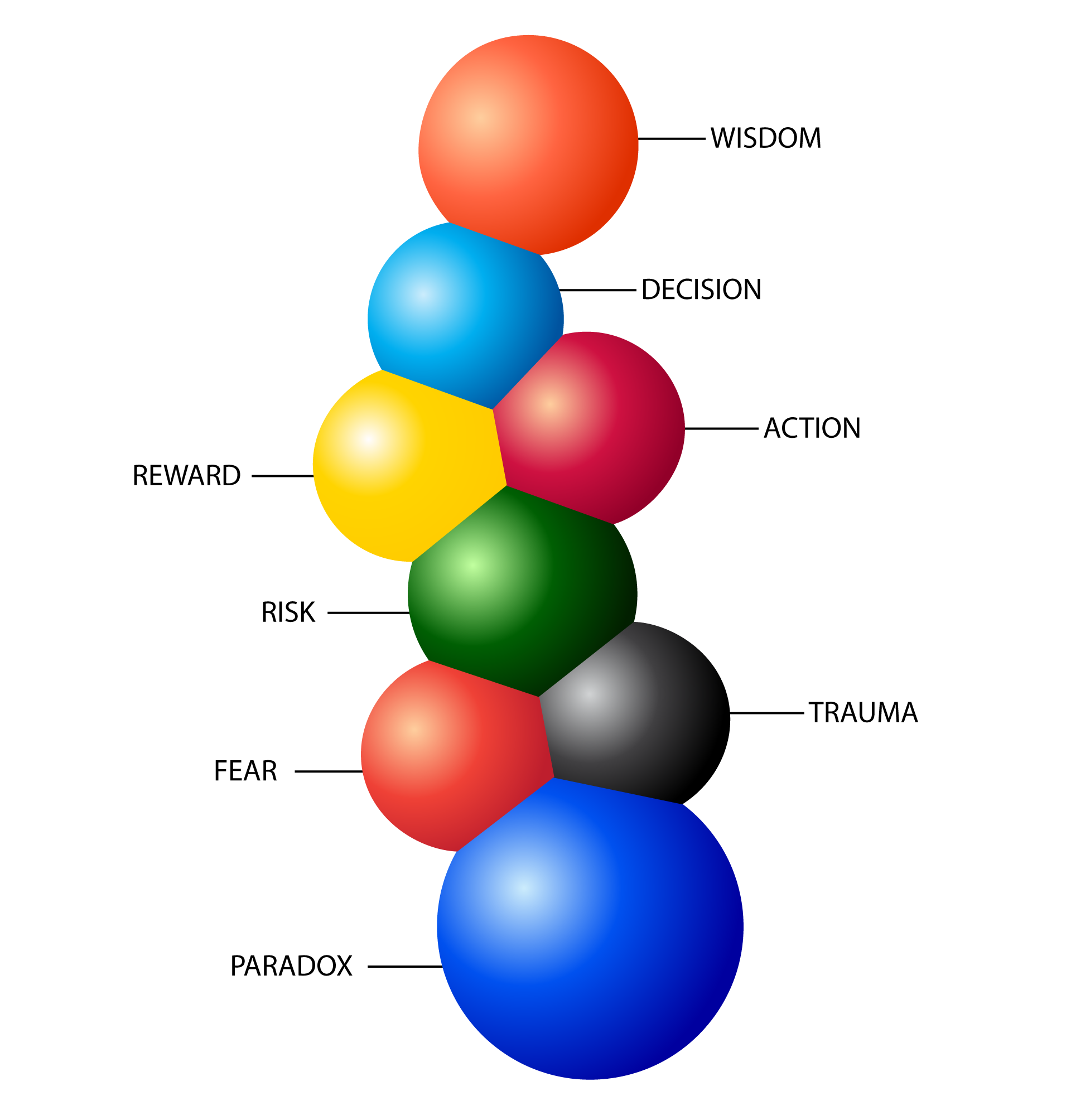
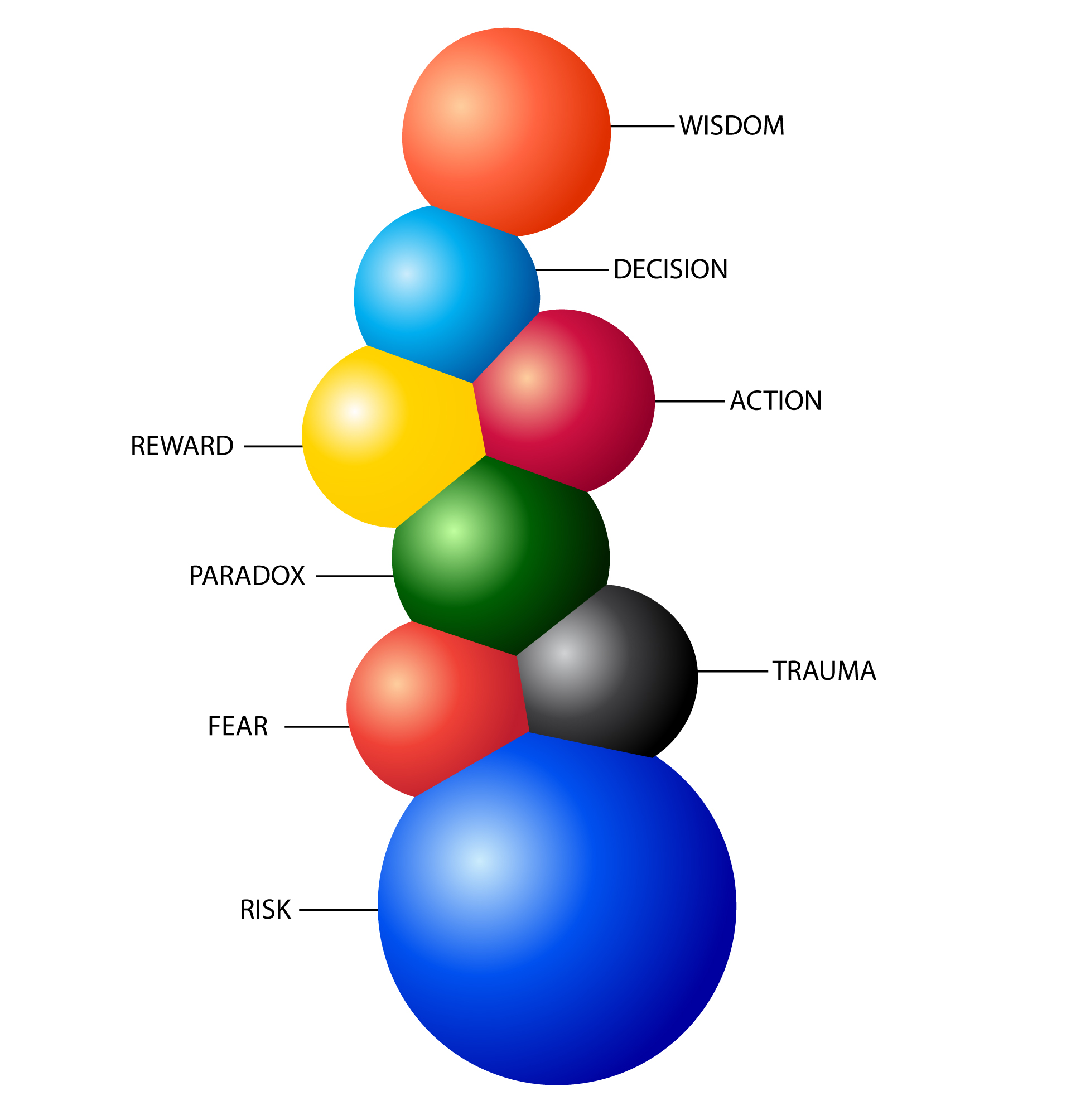
The technique of paradoxical intention replaces addictive thoughts and actions by building new neural pathways in your brain. Paradoxical intention is sometimes referred to as “Do What You Don’t Want to Do” therapy. It worked for Dr. Viktor Frankl in Auschwitz and is still a powerful non-pharmaceutical technique for reframing fear into positive action.
Paradoxical intention should be practiced when you are confused about what action to take in a certain situation. Your fearful voice says you cannot do what is needed to get out of your slump. Anxiety also tells you that if you take the action you fear, it will result in disaster.
PARADOXICAL INTENTION
The action I am most afraid to take is:
I am afraid to take this action because:
It reminds me of the past when:
If I take this action, the worst outcome might be:
The best outcome might be:
If I do not take this action, the most likely effect on my life will be:
So, to do the “meaningful” thing, I intend to: